
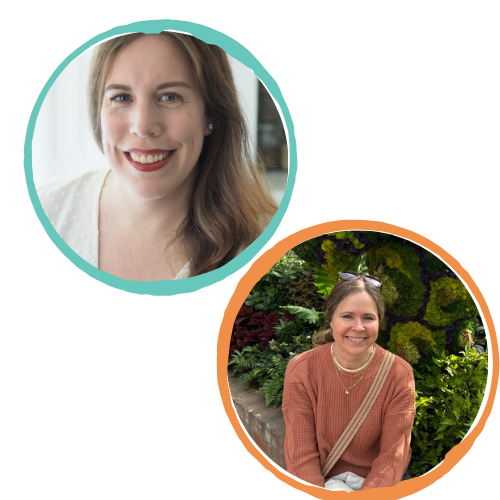
A new IBD diagnosis comes with more questions than answers, especially when it comes to diet and treatment. We are dietitians who specialize in IBD (inflammatory bowel disease), and we also live with it ourselves. We have sat exactly where you are sitting now: grieving, disbelieving, wondering if this is really happening.
Moments of learning, reflecting, and adjustment are always required, but there have also been celebrations and milestones with IBD worth celebrating. As IBD dietitians we have also spent years helping other people move through these same moments.
Here is what we wish someone had told us, from both sides of the table.
On Medication: Ask the Questions You Are Afraid to Ask
As dietitians, we get medication questions all the time, and as people with IBD, we have asked every one of those questions ourselves. Fear around medication is close to universal. A lot of people with IBD do not want to be on it and we can completely understand the sentiment behind that thought.
Here is the shift that helped us personally- it is easy to focus entirely on the risk of taking medication while overlooking the risk of not treating the disease. Once someone finally walked us through both sides of that equation, the decision felt far less frightening.
If you are working through this right now, ask your gastroenterologist to explain your options in plain language, and follow up with your pharmacist if questions remain. They will be able to help weigh the pros and cons of either decision you choose.
It Is Not Your Fault
Chronic illness often comes with an undercurrent of shame, even when there is no logical reason for it. We have felt it too. Working through that shame is part of the process, and it takes time.
Having something chronic does not mean you did something wrong. It means you now get to focus your energy on supporting yourself through it, the same way we had to learn to do.
Do Not Wait Until You Are in Crisis to Ask for Support
We know the instinct to tough it out. We have both done it ourselves, and it backfired every time, usually leading to more fatigue and lower food intake leaving one to feel depleted, which then made the fatigue worse.
As dietitians, this is one of the things we say most often to our own clients- if something feels off, check into it early. Support in the early stages of a flare, rather than the emergency room stage, is one of the most protective things you can do for yourself.
IBD-Specific Dietitian Support
As patients, general nutrition advice, like a standard food guide handout, did not reflect what we actually needed. As dietitians, we now understand exactly why IBD nutrition needs are specific, and they shift depending on where someone is in their disease course.
If you are looking for a dietitian for your new IBD diagnosis, we strongly recommend diet and treatment guidance come from someone who works in IBD specifically.
Ask directly about their experience with the disease. This matters even more if you are skipping meals, dealing with multiple nutrient concerns (like vitamin D, iron, B12 and others), losing weight, or managing a long list of symptoms.
You Do Not Have to Do This Alone
It is common to want to keep a new diagnosis private, especially early on. We both wanted to keep it separate from our identities at first. That instinct is understandable, but it often leads to isolation instead of protection.
Part of what makes this hard at first is not having the language yet to explain what you are dealing with to the people around you. IBD does not always come with visible signs, so people may ask when you will “be better,” not realizing there is not a clean endpoint.
Finding the words takes time. Some people you were not sure would understand end up surprising you. Others may not, and that is okay too. Support can evolve, and we have seen it evolve in our own lives.
Talking about bowel movements, symptoms, or accidents can feel embarrassing in the beginning. It does get easier with practice, and it becomes part of processing the diagnosis itself.
A Word on Online IBD Communities…
Community matters, and connecting with others who understand what you are going through can be a real source of strength. At the same time, be selective about what you take in online.
Two things we tell our clients: first, advice from people without proper credentials is not a substitute for guidance from your care team, dietitian included.
Second, online spaces tend to skew toward people sharing their hardest moments rather than their recoveries, which can leave a distorted impression of what living with IBD actually looks like. We felt defeated reading those spaces early on, before we realized there was more hope out there than the worst-case stories suggested.
There Is Always Hope
If there is one theme running through everything above, it is support: the right healthcare team, a dietitian who understands IBD, the willingness to ask questions, and a community that reflects the full picture, not just the hardest days.
We are not just telling you this as clinicians. We are telling you this as people who have been exactly where you are. If you are in a flare right now, know that this is a moment you can move through, and that better days are ahead.
If you are feeling overwhelmed right now and need a clear next step, check out our Newly Diagnosed Ebook to get started with some support.
Ashley & Danielle









0 Comments