
If you’re living with inflammatory bowel disease (IBD) and struggling with frequent, urgent bowel movements, you’re not alone, and you’re not without options.
Medication plays an important role in controlling inflammation which in turn can help decrease diarrhea and other symptoms of IBD. However, there are always other elements that dietitians can add to IBD care to support symptoms and improve quality of life.
Nutrition interventions often do not get the spotlight they deserve when it comes to managing IBD symptoms, but it can make a meaningful difference and help decrease stress around meal times.
In this post, we’re breaking down the key strategies that IBD dietitians use to help clients reduce diarrhea, improve energy, and actually feel better day to day.
Why Are You So Tired? It’s Not Just the IBD
One of the most common complaints we hear from IBD patients is constant fatigue. It’s one of the biggest symptoms people with Crohn’s and Colitis experience with up to 80% struggling with fatigue during a flare (1).
There are many factors that influence fatigue and if you are interested in learning more, we have an e-book for that! Find our ‘How to Improve Energy in IBD here’. Some things to consider include:
- Ongoing inflammation
- Frequent bowel movements = your body is losing a significant amount of fluid and electrolytes
- Disrupted sleep from nighttime bathroom trips and/or anxiety and stress about the disease
- A limited diet that keeps your energy depleted
The good news? Addressing hydration and baseline nutrition have great potential to make a noticeable difference in how you feel. Keep reading to see what we recommend first!
Step 1: Prioritize Hydration and Electrolytes
If you’re having more than four liquid bowel movements a day, your body may need more than just water to adequately hydrate.
Replenishing that fluid, along with the electrolytes that go with it, is often one of our first moves when diarrhea and urgency are high.
Replacing sodium, potassium, calcium, and magnesium that get swept out with high-volume diarrhea is an important piece to managing hydration and energy needs.
Practical starting points include:
- Sipping fluids consistently throughout the day (not all at once)
- Including electrolyte-rich beverages or oral rehydration solutions. Options we like include Nuun or Skratch. But don’t forget to check with your healthcare provider to see which option is right for you
- Working with a dietitian to make sure you’re also meeting your baseline caloric and nutrient needs
Did you know: high sugar electrolyte formulations may actually increase diarrhea! Large amounts of sugar have the potential to pull more water in the colon increasing diarrhea. Especially when the gut is already irritated.
Step 2: Add More Soluble Fiber
This one surprises a lot of people. Fiber gets a bad reputation with IBD, but soluble fiber is different as it can help to absorb excess water in the gut which helps slow things down and reduce diarrhea and urgency over time. Think of it like a sponge for that extra fluid in your colon!
Great food sources of soluble fiber to work into your diet gradually include:
- Oatmeal
- Sweet potatoes and other potatoes
- Avocado
- Hummus
- White rice
- Bananas
- Applesauce
- Carrots
- Zucchini
- Beans
The key word here is gradually. Adding too much fiber too fast can actually worsen symptoms initially.
Work these foods slowly by starting with ¼ cup portions over the course of 3-4 days and building up over time. Consider cooking the above foods well and removing the skins to start to increase tolerance over time.
Step 3: Identify and Reduce Common Gut Irritants
Certain foods and ingredients are well-known triggers for urgency and diarrhea. They can draw more water into the colon, speed up gut motility, and make symptoms significantly worse. Common culprits include:
- Spicy foods
- High-fat foods
- Lactose containing products
- Caffeine (coffee, tea, and even chocolate) – I know, I’m sorry!
- Artificial sweeteners, especially sugar alcohols like mannitol, maltitol, sorbitol, and xylitol. These are found in many protein powders, beverages, protein bars, gum, and sugar-free products
- Insoluble fiber: Great for the gut bacteria, but has potential to increase transit time. Cooking insoluble fibers down or blending/pureeing them may be needed until diarrhea dissipates.
- Stress (yes, it counts. The gut-brain connection cannot be underestimated)
One important note: food triggers with IBD aren’t always straightforward. Sometimes it’s not the food itself, but how it’s prepared, how much fat it contains, or whether there’s an underlying issue like carbohydrate malabsorption or fat malabsorption at play.
Working with a dietitian can help you pinpoint exactly what’s driving your symptoms, rather than cutting out entire food groups unnecessarily.
Consider a Soluble Fiber Supplement
Beyond food sources, a supplement called PHGG (partially hydrolyzed guar gum or Sunfiber) or acacia fiber is a well-tolerated, evidence-backed soluble fiber option for people dealing with diarrhea and urgency. It’s easy to stir into a smoothie, tea, or drink without significantly changing the texture.
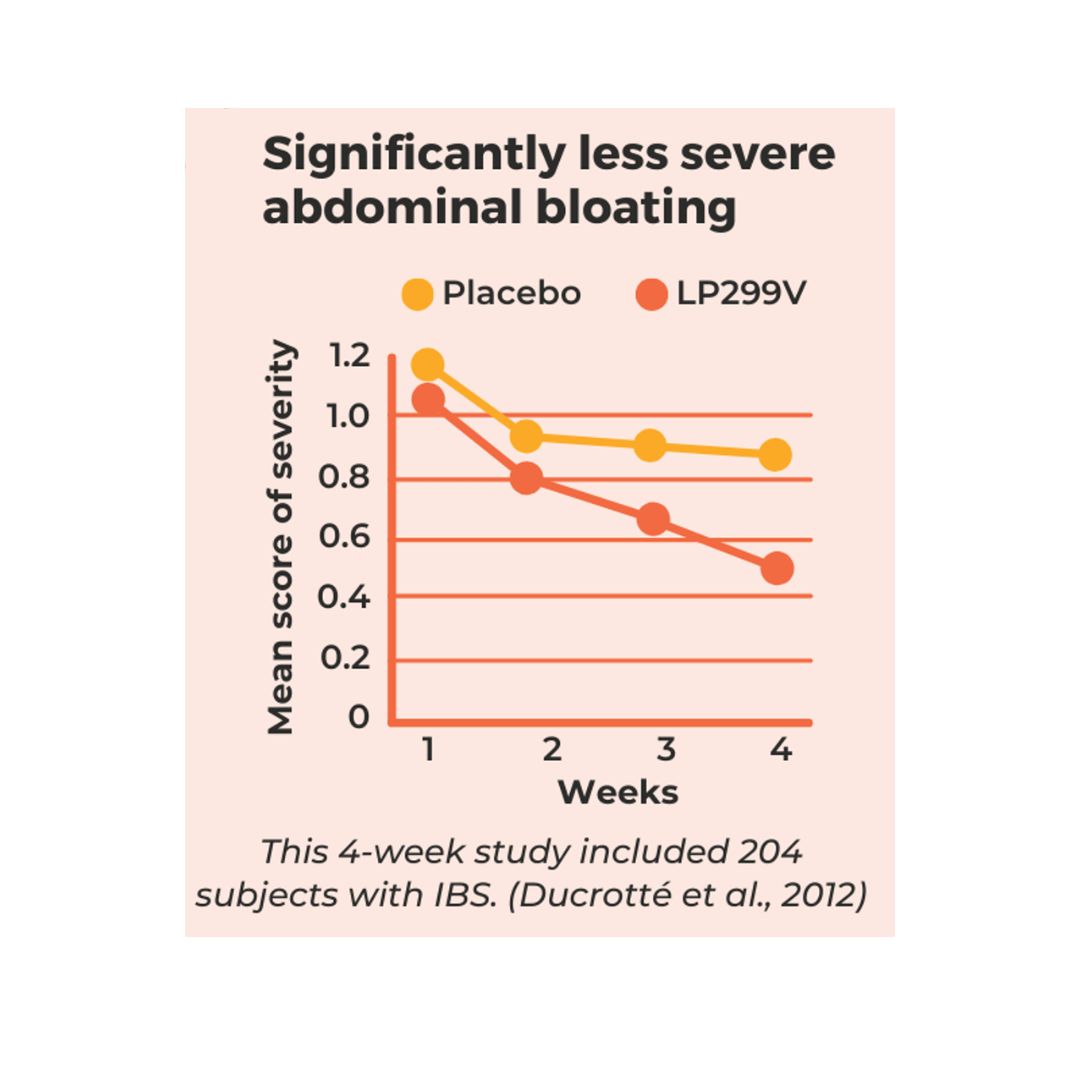
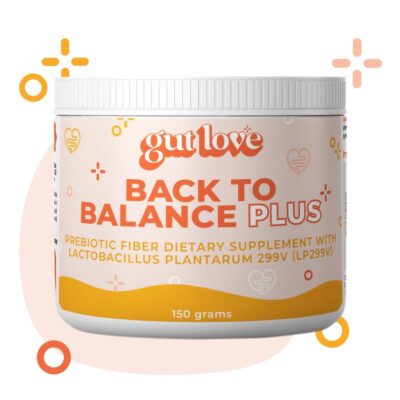
Here at the Crohn’s and Colitis Dietitians, Ashley created a specific blend of soluble fiber and probiotic strain called Lactobacillus plantarum 299v, which has clinical data supporting its use for reducing bloating and abdominal pain over time. If you’re looking for a supplement option, this combination is worth discussing with your dietitian or healthcare provider.
Why Working with an IBD Dietitian Matters
Food is an integral part of someone’s day, and when you are struggling with difficult symptoms, food can feel complex and overwhelming. IBD dietitians are here to lessen the overwhelm and provide you with catered nutrition interventions to support your health and decrease symptoms over time. A dietitian who specializes in IBD can help you:
- Identify your specific triggers (which may not be what you expect and you may also have less than you expect!)
- Make sure you’re meeting your nutritional needs even when your diet feels limited
- Slowly expand your diet without fear of making things worse
- Create strategies for flares, travel, nighttime symptoms, and everything in between
- Help you move past overwhelm and toward an evidence-based plan
There is a path forward with nutrition that doesn’t involve you Googling everything only to be found more conflicted than before. Learning about anti-inflammatory eating, how nutrition can work alongside medication, and prioritizing symptom support with food are just a few things dietitians specialize in.
The Bottom Line
Reducing diarrhea with IBD can take time and it’s not a one-size-fits-all process, but the tips mentioned in this blog can be a helpful start. Focusing on hydration and electrolytes, reducing common gut irritants and gradually incorporating soluble fibers through food and/or supplements are some of the first lines of defense when it comes to nutrition and IBD.
If you are experiencing frequent and uncomfortable GI symptoms, consider working with an IBD-specialized dietitian who can personalize a nutrition approach for you.
See what’s possible for you when you sign up with The Crohn’s and Colitis Dietitians!
References:
- Borren, N.Z., van der Woude, C.J. & Ananthakrishnan, A.N. Fatigue in IBD: epidemiology, pathophysiology and management. Nat Rev Gastroenterol Hepatol 16, 247–259 (2019). https://doi.org/10.1038/s41575-018-0091-9









0 Comments