
If you’ve ever Googled “why do my farts smell so bad” at 2am hoping nobody would ever find out… first of all, you’re in good company, and second of all, you’ve come to the right place.
As a dietitian, I’m here to tell you that your farts are more interesting than you think, and the smell is telling you something important.
Why do my farts smell so bad?
We all pass gas between 10 and 20 times per day. That’s normal. That’s healthy. That’s your gut doing exactly what it’s supposed to do.
But not all farts are created equal. Some are quiet and completely inoffensive. Others arrive unannounced, clear the room, and linger for what feels like an unreasonable amount of time. If your gas tend toward the latter category, there’s a real scientific reason for it and it has everything to do with what’s happening inside your gut microbiome.
So let’s talk about it.
What’s Actually Inside a Fart?
Here’s something that genuinely surprises most people: 99% of the gas you pass is completely odorless. The thing that makes farts so recognizable is that distinctive, paint-stripping quality comes from less than 1% of the total gas. Which means the culprit is hiding in a very small corner of a very large room.
Here’s the breakdown of what’s actually in a typical fart:
- Nitrogen (50–60%) — the dominant gas, same as what makes up most of the air we breathe, and completely odorless
- Hydrogen (15–25%) — also odorless, though it does contribute to flammability (yes, that’s real)
- Carbon dioxide — odorless
- Methane — odorless (more on this fascinating molecule in a moment)
- Oxygen — a small amount; most ingested oxygen is absorbed before it reaches the colon
- Sulfur compounds — less than 1% of total gas, and entirely responsible for 100% of the suffering
So if you’ve been wondering why your farts smell so bad, the answer lives entirely in that tiny sulfur fraction. And here’s what makes it even more remarkable: the human nose can detect these sulfur compounds at concentrations of parts per billion. You don’t need much at all. A trace amount is enough to trigger the full sensory experience.
Why Do Farts Smell So Bad?
There are three specific sulfur-based compounds responsible for the distinctive odors we associate with flatulence. Understanding them is the key to understanding why your farts smell the way they do.
Hydrogen Sulfide: The Rotten Egg Smell
Hydrogen sulfide is produced when gut bacteria ferment sulfur-containing amino acids found primarily in animal proteins. It’s the same compound that makes actual rotten eggs smell the way they do which is exactly why we’ve made that association. If your gas has that sharp, eye-watering, rotten egg quality, hydrogen sulfide is your culprit.
Methanethiol: The Garlicky, Cabbage-Like Smell
Also sulfur-based, methanethiol produces a more pungent, garlicky or cabbage-like odor. It’s not quite as face-melting as hydrogen sulfide, but it’s unmistakable and it’s produced when gut bacteria process certain sulfur-containing foods, particularly alliums like garlic and onions.
Dimethyl Sulfide: The Cooked Vegetable Smell
The mildest of the three, dimethyl sulfide produces a cooked-vegetable type of odor. Once again, sulfur is at the center of it.
Notice the pattern: all three odor compounds are sulfur-based. This is not a coincidence. Sulfur is the common thread in every foul-smelling fart, which means the foods highest in sulfur are the ones most responsible for odorous gas. That leads us directly to the question most people actually want answered.
Foods That Make Your Farts Smell Worse
Not all gas-producing foods make your farts smell bad. In fact, some of the healthiest, most fiber-rich foods on the planet produce significant gas with virtually no odor. The distinction that matters is between foods that cause volume and foods that cause stench and sulfur is the dividing line between the two.
Here are the biggest offenders when it comes to odor:
Red Meat and Eggs
These sit at the top of the stench leaderboard, and the reason is straightforward: they’re rich in sulfur-containing amino acids. When your gut bacteria ferment these amino acids, they produce hydrogen sulfide (the rotten egg compound) in significant quantities. What makes this particularly relevant is that a diet consistently high in red meat and eggs actually cultivates more sulfur-reducing bacteria in the gut over time. You’re essentially training your microbiome to be better at producing the very compounds that make gas smell terrible. It becomes self-reinforcing.
Garlic and Onions
Both garlic and onions are rich in sulfur compounds called thiosulfinates, and when gut bacteria process them, they fuel the production of both methanethiol and dimethyl sulfide. I want to be clear: garlic and onions are extraordinarily healthy foods. They’re among the best things you can eat for longevity and gut health. But their sulfur content means they will reliably contribute to odorous gas. Worth it, in my opinion but worth knowing.
Cruciferous Vegetables
Broccoli, cauliflower, cabbage, Brussels sprouts, and kale all contain sulfur-based compounds called glucosinolates. These are the same compounds responsible for the cancer-protective properties that make cruciferous vegetables so valuable. But they’re sulfur-containing, which means they produce a mix of what chemists call volatile sulfur compounds. The smell is real. The health benefits are also real. Don’t avoid these vegetables all together but it is important to understand why they do what they do.
🌈 RAINBOW® Tips: Did you know all foods have sulfur but that plant sulfur differs from animal sources in the gut? Check out our YouTube discussion on this here.
Bonus: Dairy and Sugar Alcohols
Two additional culprits worth calling out. Dairy products are high in lactose, which many adults struggle to fully digest. Lactose that reaches the colon gets fermented by gut bacteria, producing gas, bloating, and sometimes diarrhea. If you notice your gas is particularly bad after cheese, milk, or ice cream, lactose sensitivity may be playing a role.
Sugar alcohols like sorbitol, xylitol, mannitol, maltitol, and erythritol are found in sugar-free gums, protein bars, diet products, and artificially sweetened foods. These compounds are not absorbed in the small intestine, which means they arrive in the colon intact, get fermented by gut bacteria, and can cause significant gas and bloating. If you regularly consume products with ingredients ending in “-ol,” and you struggle with chronic gas, eliminating them for a week may produce a dramatic improvement.
High-Volume Foods That Don’t Make Farts Smell (The Good Gas)
Here’s an important distinction that often gets lost in fart conversations: loud doesn’t mean dangerous, and quiet doesn’t mean safe.
Some of the most gas-producing foods on earth produce virtually no odor because they fuel fiber fermentation rather than protein fermentation. When your gut bacteria ferment fiber, they produce short-chain fatty acids like butyrate, propionate, and acetate which are anti-inflammatory, odorless, and genuinely essential for gut health. This is good gas. This is your microbiome doing exactly what you want it to do.
Beans and legumes are the classic example. Rich in fiber, resistant starch, and fermentable carbohydrates called galactooligosaccharides, beans produce significant gas volume when fermented. But it’s overwhelmingly odorless.
Whole grains like wheat, barley, rye, and bran contain fiber, resistant starch, and fructans, all of which are fermented in the colon. High volume, low odor, healthy outcome.
Fruit, particularly apples and pears, is high in fructose and fiber, both of which get fermented. Voluminous, not stinky.
If your farts are frequent and loud but not particularly odorous, your microbiome is probably in good shape and working hard. That’s a good sign, not a problem.
What Smelly Farts Are Really Telling You About Your Gut
When your farts smell really bad on a consistent basis, it typically means your gut microbiome is spending too much time fermenting protein instead of fiber. And when protein fermentation dominates, the byproducts are not benign.
Protein fermentation produces ammonia, which directly damages the gut lining. It also produces hydrogen sulfide, which causes DNA damage to colon cells and has been implicated in colorectal cancer development. It produces phenols and p-cresol, additional toxic compounds associated with gut inflammation. None of these are what you want as the primary output of your gut microbiome’s daily activity.
Contrast this with fiber fermentation, which produces short-chain fatty acids that feed the gut lining, reduce inflammation, support immune function, and keep the gut barrier intact. Same microbes, completely different outcomes and the difference is what you’re feeding them.
This matters more than ever because the average American is already eating a high-protein, low-fiber diet. When there isn’t enough fiber for gut bacteria to ferment, they turn to protein instead. The result is a microbiome increasingly oriented toward producing toxic byproducts rather than health-promoting ones and foul-smelling gas is one of the most obvious external signs of that shift.
This isn’t a message to not eat protein, protein is important. However, we do need to make sure we are getting enough fiber to support our gut microbiome.
The good news is that this is reversible. Some prebiotic studies using a gut stimulation model have shown prebiotic fiber a measurable metabolic flip in the microbiome which shifted from protein fermentation to fiber fermentation in just 5 days. Ammonia levels dropped 23%. Short-chain fatty acids rose steadily. Beneficial bacteria like Akkermansia muciniphila increased significantly by day 15. The microbiome didn’t just respond; it adapted and became more efficient over time.
So if you’ve been wondering why your farts smell so bad lately, the answer may be less about what you ate yesterday and more about what your microbiome is doing every single day.
The 4-Billion-Year-Old Organisms Living in Your Gut
Here’s one of the most surprising facts in all of gut science, and it connects directly to your gas.
About one in three people have ancient microorganisms called archaea living in their gut. Archaea are distinct from bacteria and yeast and they occupy their own biological kingdom. They are believed to be among the first living organisms on Earth, with fossil evidence dating back roughly 4 billion years. They’ve been found thriving in hydrothermal vents miles below the ocean surface, in volcanic hot springs, and in some of the most extreme environments on the planet. They are extraordinarily hardy.
These particular gut-dwelling archaea are called methanogens because they produce methane gas. Methane itself is odorless and it won’t make your farts smell bad. But it has a significant physiological effect: methane slows gut motility, meaning it pumps the brakes on how quickly things move through your digestive system.
For people who struggle with constipation, this creates a frustrating cycle. Constipation leads to more methanogen activity. More methanogen activity produces more methane. More methane slows motility further. Slower motility means more constipation- and more gas production along the way.
You might think: why not just eliminate the methanogens? The problem is that these ancient organisms appear to play a protective role against heart disease, the number one cause of death worldwide. Eliminating them in pursuit of less gas would be trading one problem for a significantly worse one. The better approach is to focus on improving motility so that gas moves through efficiently, rather than declaring war on organisms that have been on this planet four billion years longer than we have.
Does How You Were Born Affect Your Farts?
The microbiome is partly shaped by the circumstances of birth. Babies born vaginally are exposed to their mother’s vaginal and gut microbiota during delivery, which seeds the infant microbiome in a specific way. Babies born by C-section miss that exposure and develop a measurably different microbiome composition. Research shows these differences persist and are associated with varying risks for allergic and metabolic disease. And since your microbiome composition drives your fermentation patterns, the circumstances of your birth can, in a very real sense, influence the character of your gas decades later.
When Should You Worry About Smelly Farts?
Most of the time, smelly gas is a diet and microbiome story, not a medical emergency. If you ate a steak and eggs for dinner and your farts smell like a sulfur plant this morning, that’s expected. You don’t need to call anyone.
But there are situations where change in your gas warrants medical attention. Here are the red flags:
- A sudden, unexplained change in smell or frequency that isn’t related to any change in diet
- Persistent abdominal cramps, bloating, or discomfort that doesn’t resolve
- Chronic diarrhea or constipation
- Blood in the stool is always worth investigating promptly
- Unexplained weight loss
- Unexplained iron deficiency or anemia
- Fever alongside gastrointestinal symptoms
Wondering why your farts smell so bad all of a sudden- without any change in what you’re eating? That’s worth a conversation with your doctor. Chronic symptoms, intense symptoms, and changes you can’t explain are the categories that deserve professional attention. Your gas is usually telling a benign story. But every now and then, it’s trying to tell you something more important, and it deserves to be heard.
10 Ways to Stop Your Farts From Smelling So Bad
The good news is that smelly gas is largely addressable through diet and lifestyle. Here are ten practical steps you can take.
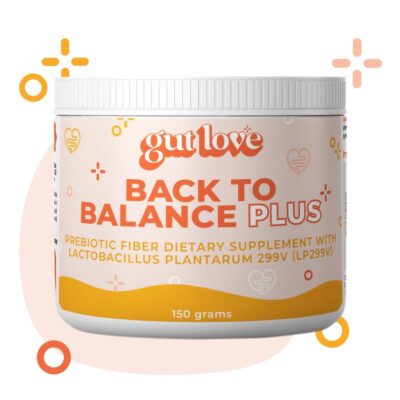
1. Increase fiber slowly. If you’re transitioning to a higher-fiber diet with more beans, more whole grains, more vegetables and do it gradually. Your microbiome needs time to adapt. Going from a low-fiber diet to a full bean feast overnight will produce a significant and unpleasant amount of gas. Build up over several weeks and let your gut catch up. One of our favorite tools to help bridge the fiber gap and help with gas and bloating is Back to Balance Plus.
2. Cut back on sulfur-rich foods temporarily. If your gas is consistently odorous, consider reducing red meat, eggs, garlic, and onions for a couple of weeks. This isn’t necessarily a permanent change but garlic and onions in particular are extraordinarily healthy. However, a temporary reduction can help reset your microbiome’s fermentation patterns.
3. Eliminate sugar alcohols. Check ingredient labels for sorbitol, xylitol, mannitol, maltitol, and erythritol which are commonly found in protein bars, sugar-free candies, diet products, and chewing gum. Cut them out for one week and see how your symptoms change. Many people are genuinely shocked by how much of a difference this makes.
4. Identify your FODMAP triggers. Fructose, lactose, galactooligosaccharides (in beans), fructans (in wheat, garlic, and onions), and sugar alcohols are all classified as FODMAPs- fermentable carbohydrates that can cause gas and bloating in sensitive individuals. Importantly, you likely don’t react to all of them equally. Working with a registered dietitian to identify your specific triggers can be genuinely transformative. Fodzyme is on of our favorite tools to use once you’ve identified the trigger.
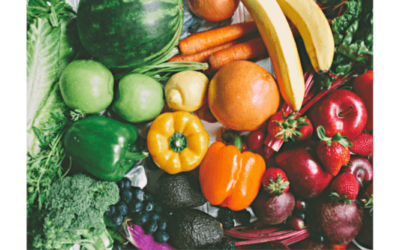
5. Feed your good gut microbes. A fiber-rich, plant-diverse diet is the foundation. Prioritizing vegetables, legumes, whole grains, fruits, nuts, and seeds feeds the microbes responsible for healthy, odorless fermentation and crowds out the protein-fermenting bacteria behind smelly gas. A quality prebiotic supplement can help bridge the gap when diet alone isn’t enough.
6. Slow down when you eat. Eating quickly leads to poorly chewed food, impaired digestion, and excess swallowed air- all of which contribute to gas and bloating. Slowing down is one of the simplest and most underrated gut health interventions available, and it costs nothing.
7. Skip the gum and carbonated drinks. Both introduce excess air into the digestive system, which has to exit somewhere. Chewing gum is particularly sneaky because it keeps you swallowing air continuously over an extended period. If you struggle with gas and bloating, these are easy variables to eliminate.
8. Take a walk after meals. This one has actual research support. A short post-meal walk for 10 to 15 minutes can help stimulate gut motility, helps gas move through the digestive system more efficiently, and measurably reduces bloating. The “fart walk” has become something of a cultural moment, and it genuinely works. Shout out to Marilyn Smith who coined the term!
9. Use digestive enzyme supplements. Lactase supplements can help break down lactose before it reaches the colon and gets fermented. Alpha-galactosidase (the active ingredient in products like Beano) can help with beans and cruciferous vegetables. These aren’t magic, but they can meaningfully reduce gas production from specific foods. For more comprehensive enzymes for FODMAP’s – we like Fodzyme.
10. Support gut motility. Methane from archaea slows transit time. Keeping your digestive system in rhythm through consistent meal timing, regular physical movement, adequate sleep, and stress management helps gas move through efficiently and prevents the buildup that leads to bloating and concentrated odor.
The Bottom Line
Your farts are one of the most accessible windows into the health of your gut microbiome and once you know how to read them, they become genuinely useful.
Frequent, loud gas without much odor? That’s fiber fermentation. Your microbiome is active, healthy, and doing exactly what you want it to do. Carry on.
Intense, persistent odor – especially that rotten egg quality? That’s protein fermentation and sulfur compounds. It’s a sign your microbiome may be spending too much time on the wrong kind of fuel, and it’s worth paying attention to.
The path forward is the same in both cases: more fiber, less excess protein, a diverse and well-fed microbiome, and enough awareness to notice when something has changed.
Next time you find yourself Googling “why do my farts smell so bad,” you’ll know exactly where to start and more importantly, exactly what to do about it.
Need a tool specific to gas and bloating?
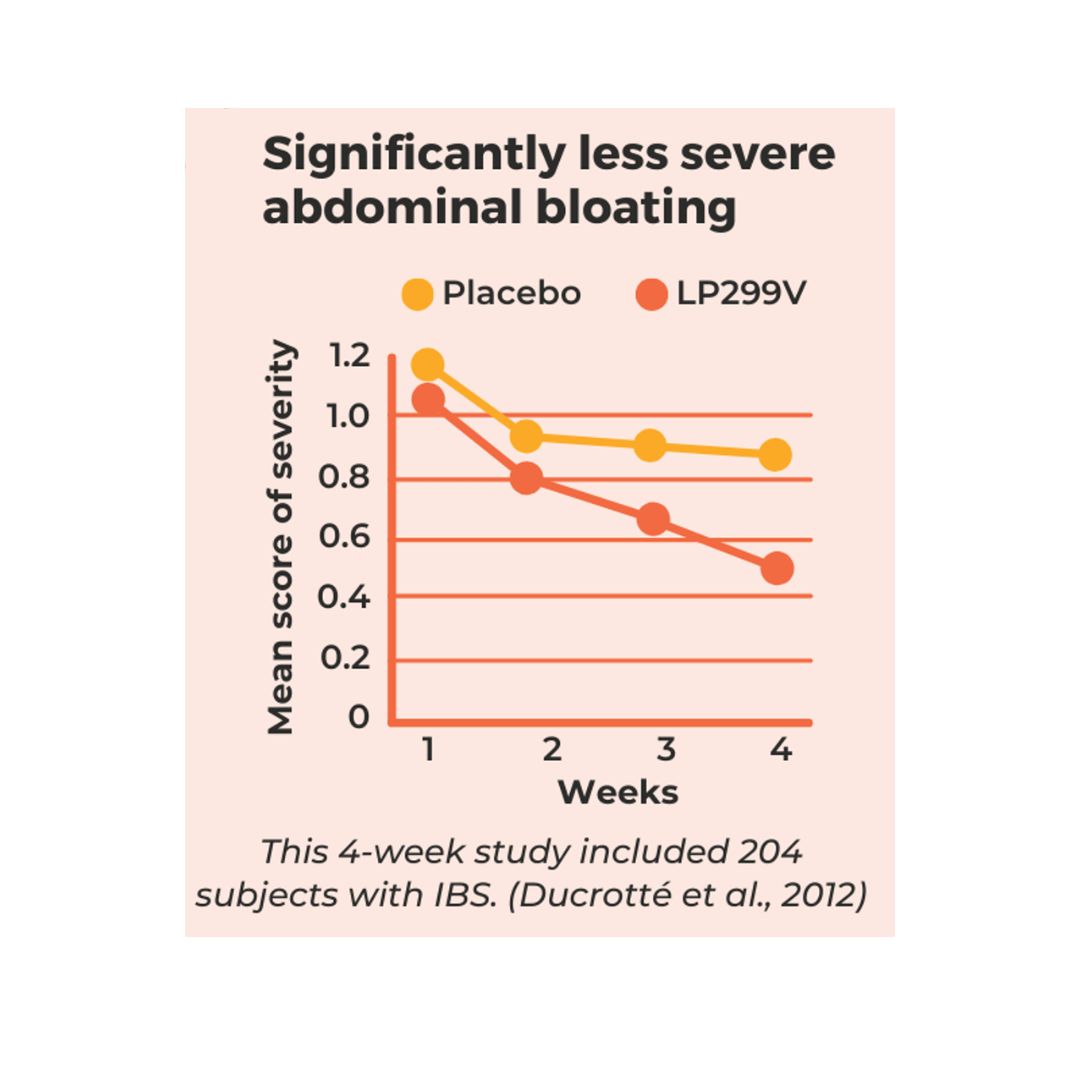
The probiotic in Back to Balance Plus has research showing significant reductions in bloating, abdominal pain and gas (44-55%). Check out more on the page.
Frequently Asked Questions
Why do my farts smell so bad all of a sudden? A sudden change in fart odor that isn’t explained by a change in diet can indicate a shift in your gut microbiome, a new digestive sensitivity, or occasionally an underlying GI condition. If the change is persistent and you can’t explain it, it’s worth discussing with a doctor.
What foods make farts smell the worst? Red meat, eggs, garlic, onions, and cruciferous vegetables are the top offenders which are all high in sulfur compounds that gut bacteria convert into hydrogen sulfide and other odorous gases.
Is it bad if your farts smell really bad? Occasional foul-smelling gas after a sulfur-rich meal is normal. Consistently foul gas, especially in the absence of obvious dietary triggers, may signal too much protein fermentation in the gut which is worth addressing through dietary changes.
Can your diet fix smelly farts? Yes, significantly. Reducing sulfur-rich foods, eliminating sugar alcohols, and increasing dietary fiber can shift the microbiome away from odor-producing protein fermentation toward healthy, largely odorless fiber fermentation.
What does it mean if your farts smell like rotten eggs? The rotten egg smell when passing gas is caused specifically by hydrogen sulfide, produced when gut bacteria ferment sulfur-containing amino acids. It’s most commonly associated with high intake of red meat and eggs, and it’s a sign that sulfur-reducing bacteria are particularly active in your gut.
Bottom line: While gas is often a sign of digestive health, foul smelling gas can often be connected to both irritable bowel syndrome, celiac disease and also inflammatory bowel disease. Excessive gas with a pungent smell can often be a sign of what’s going on in the microbiome within the digestive tract (particuarly the fermentation happening in the large intestine) and can lead to abdominal pain, bloating and changes in stool pattern. Certain foods and food patterns can help alleiviate pungent, smelly gas and other gut symptoms.
Articles to check out:
IBS: https://crohnsandcolitisdietitians.com/is-it-ibs-or-something-else/
Microscopic colitis: https://crohnsandcolitisdietitians.com/microscopic-colitis-food/
Crohn’s: https://crohnsandcolitisdietitians.com/crohns-friendly-foods/
Ulcerative colitis: https://crohnsandcolitisdietitians.com/7-day-meal-plan-for-ulcerative-colitis/
Reasons for gas: https://gutlove.us/blogs/news/why-does-my-fart-smell-bad-10-common-causes-and-what-to-do








0 Comments
Trackbacks/Pingbacks