If you’ve been diagnosed with ulcerative proctitis, you’ve probably already Googled some version of “what should I eat?” more times than you can count and landed on a dozen conflicting answers. Because proctitis is limited to the rectum, there isn’t a large amount of information online specifically about this type of UC and diet.
However, the urgency, the tenesmus (that constant feeling of needing to go), the bleeding are still disruptive and there are dietary strategies and medication management to help support these symptoms.
Let’s continue to explore the diet and ulcerative proctitis!
What Is Ulcerative Proctitis? (Quick Primer)
Ulcerative proctitis is a form of ulcerative colitis where inflammation is confined to the rectum, rather than extending further up into the colon. Because the affected area is smaller, symptoms often center around rectal urgency, tenesmus, rectal bleeding, and mucus rather than the more widespread cramping and diarrhea seen in UC.
That said, “milder” doesn’t mean “easy.” Living with unpredictable urgency and rectal discomfort can still take a real toll on daily life, work, and confidence.
Does Diet Actually Affect Ulcerative Proctitis?
Just a quick reminder for you! You don’t have to choose between medication and using nutrition to treat your ulcerative proctitis. In fact, they’re very complementary, and both important.
In terms of what we know about what to eat with proctitis (and inflammatory bowel disease – IBD – in general), here’s what’s most important:
- Including more plants and omega-3’s!
- Which is why you might be surprised to learn that no reputable organization in the world of IBD recommends a low-fiber diet to support inflammation reduction. In fact, most say the opposite.
So why, then, is a low-residue or bland diet so commonly recommended to IBD patients?
While there are some scenarios where you might need to switch up the types of fiber in your diet to minimize blockage risk, improve tolerance, or manage strictures (read more about that here), not including fiber at all can put you at risk for a flare-up.
Fiber is an important fuel source for the most helpful bacteria in our gut, and consuming it helps our gut bacteria produce more butyrate.
Increasing butyrate in the digestive tract can help reduce inflammation locally in the digestive tract and systemically throughout the body (4).
Increasing butyrate is also helpful for improving, and even repairing, damage to the digestive tract lining (4).
The USDA currently recommends 25 grams of fiber per day for women and 38 grams per day for men under 50.
Bottom line: a low-fiber or low-residue diet isn’t ideal for the long term. If you aren’t tolerating fiber well, start by adding in soluble gelling fibers like oatmeal. Root vegetables like zucchini and other squashes can also be a great starting place. Smoothies are another great way to bring in easier-to-tolerate fibers.
Best Foods for Ulcerative Proctitis
Gentle-on-the-Gut Options During Flares
Note: a lot of these options are good sources of soluble fiber that are more gentle on the gut. If someone is experiencing a high load of symptoms, we typically recommend starting here and building up their diet over time!
- Examples:
- well-cooked, peeled vegetables (carrots, zucchini, potatoes, squash)
- well cooked oatmeal, rices, pasta
- ripe bananas, applesauce, and canned or peeled fruit. If you are tolerating these items well, consider a slow addition of ½ cup berries blended into a smoothie for additional antioxidant support
- smooth nut butters and well-cooked, tender proteins
Anti-Inflammatory Foods to Emphasize
Fatty fish (omega-3 rich) & plant-based proteins
- Salmon, sardines, mackerel, anchovies, trout
- Tofu, hummus, or even pasta made from chickpeas or lentils
Healthy fats
- Extra virgin olive oil
- Avocado
- Walnuts, almonds, flaxseed, chia seeds
- New to nuts and seeds? Consider blending/grinding them first!
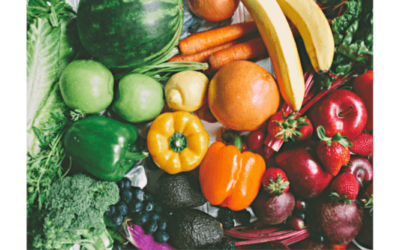
Colorful fruits & vegetables (polyphenols, antioxidants)
- Berries (blueberries, strawberries, blackberries)
- Leafy greens (spinach, kale, swiss chard)
- Cruciferous veg (broccoli, cauliflower, Brussels sprouts)
- Bell peppers, carrots, beets
- Soups, smoothies, and broccoli greens can be a good starting point as you begin to build out more fiber and additional nutrients into your day AND to train your gut!
Whole grains & legumes (fiber, feeds beneficial gut bacteria → butyrate production)
- Oats, quinoa, brown rice
- Lentils, chickpeas, black beans
- Consider starting with quick oats and adding ¼ cup brown rice with ¾ cup white rice when cooking it for a low and slow intro
Herbs & spices
- Turmeric
- Ginger
- Garlic
- Cinnamon
Green tea
- Rich in polyphenols/catechins
Variety and overall dietary pattern matter more than any single “superfood,” and for people with IBD specifically, texture/preparation (cooked vs. raw, peeled vs. skin-on) can be supportive when irritation is high and while you are beginning to expand your diet.
Hydration and Rectal Symptom Management
Because tenesmus and urgency are hallmark symptoms of proctitis, staying well hydrated and finding your personal fiber “sweet spot” matters. Too little fiber and fluid can worsen constipation-related straining around the rectum; too much insoluble fiber during an active flare may aggravate irritation.
This is very individual, which is exactly why a reintroduction approach with a variety of fibers and textures tends to serve people best long term.
Foods That May Trigger Proctitis Symptoms
Common culprits people notice include high-fat or fried foods, alcohol, caffeine, spicy foods, and insoluble fiber during active flares. It’s important to underline: this is not a universal list.
Not everyone reacts to these foods the same way, and unnecessarily cutting them all out “just in case” often leads to over-restriction. This brings its own set of nutritional and quality-of-life problems. And don’t forget! Triggers to foods (especially fibrous foods) have great potential to change over time.
Looking for more on IBD and diet? Some of the latest research explores the low-sulfur diet for colitis. Check it out on Youtube here.
Beyond Diet — Other Factors That Help Manage Proctitis
Diet is one piece of the puzzle, not the whole picture. Stress management, consistent sleep, and staying on top of prescribed medication all play a meaningful role in keeping proctitis symptoms in check.
Working with both a gastroenterologist and an IBD-focused dietitian as a team tends to produce the most sustainable results.
FAQs About Diet and Ulcerative Proctitis
Can you eat fiber with ulcerative proctitis?
Yes, though the type and texture of fibers may need to flex depending on your tolerance. Soluble fiber is often better tolerated during flares, while a wider range of fiber can typically be reintroduced during remission. Blending insoluble fibers like spinach in a smoothie can be a great way to less irritation while still getting greens in your day.
Is dairy bad for ulcerative proctitis?
Not inherently, however we don’t want large amounts of it in the diet especially sources higher in saturated fats as we can see negative changes in the gut microbiome. Large amounts of myristic acids like dairy fats and coconut oils are in many IBD guidelines as things we want to minimize to reduce risk of flare ups.
There are many people with IBD who have also decreased tolerance to dairy products especially when inflammation is high or if someone has lactose intolerance. We often recommend lower fat dairy products (choosing a 0% fat yogurt instead of 5%) and low lactose options for some of our patients to reduce symptoms and support the gut bacteria.
What’s the difference between diet for proctitis vs. full ulcerative colitis?
Because proctitis is limited to the rectum, symptoms tend to center more on urgency and tenesmus rather than the widespread cramping and diarrhea seen with more extensive UC, so diet strategies are often more about local comfort (fiber texture, hydration), increasing soluble fibres over time, and incorporating anti-inflammatory foods to support short-chain fatty acid production.
Can diet alone put proctitis into remission?
Diet can meaningfully support symptom management and complement medical treatment, but it works best alongside, not instead of, medication prescribed by your gastroenterologist.
The Bottom Line
There’s no single “best diet for ulcerative proctitis” that works identically for everyone. What does work is a flexible, personalized framework: emphasizing gentle, anti-inflammatory foods, adjusting types of fiber and texture around flares, identifying your actual triggers (and understanding they can change over time) instead of guessing, and treating nutrition as one part of a bigger care plan alongside your medical team.
Want Personalized Support for Your Proctitis Diet?
Figuring this out on your own through trial, error, and endless scrolling doesn’t have to be the only option. Our premium 1:1 support option pairs you with an IBD-specialized registered dietitian (who has lived experience with IBD too) to build a personalized, evidence-based plan around your specific symptoms, triggers, and goals. That way you can spend less time guessing and feel more confident around food.
Learn more about our premium 1:1 support option and see if it’s the right fit for you: Work With Us — Top Rated IBD Dietitians









0 Comments