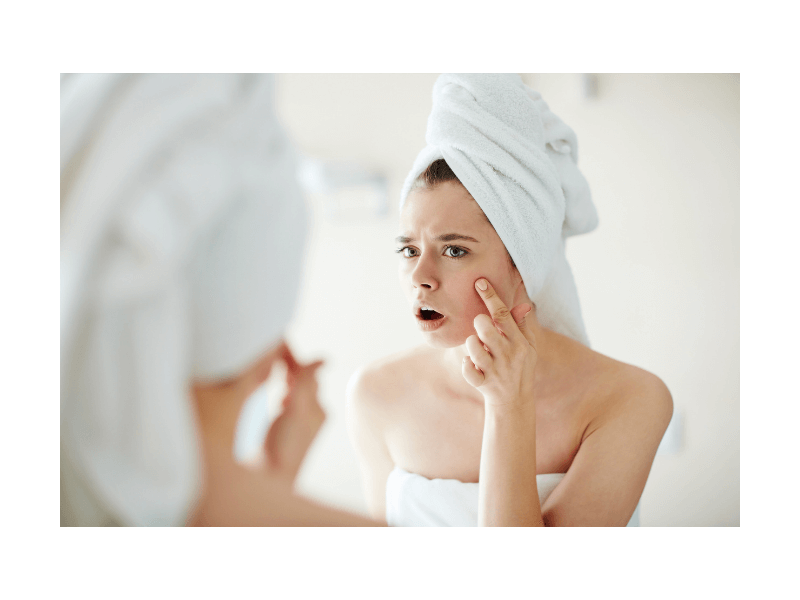
If you’ve ever had a weird rash, painful bump, or mouth sore show up out of nowhere and thought, “wait, is this an IBD thing?” You’re not alone in thinking that. IBD skin manifestations are more common than most people realize, and yet they rarely get talked about outside of a dermatology appointment (if they get talked about at all).
As a fellow IBD (inflammatory bowel disease) patient, I get it: you’re already managing bathroom urgency, fatigue, and food fear. The last thing you want is your skin joining the chaos. So let’s talk about what’s actually going on, what to flag to your doctor, and where nutrition fits into the picture.
What Are IBD Skin Manifestations?
IBD skin manifestations fall under what is clinically called, extraintestinal manifestations (EIMs), which are symptoms that show up outside the gut but are still connected to the same underlying inflammatory disease process. Skin can actually be a common place for inflammation to show up beyond the digestive tract, alongside joints and eyes.
The connection makes sense once you understand that Crohn’s and ulcerative colitis aren’t just “gut diseases”, they’re systemic immune conditions. The same inflammatory pathways and immune cells driving intestinal inflammation can also affect the skin, which is why dermatologic symptoms sometimes show up before a person even knows they have underlying IBD.
Common Types of IBD Skin Manifestations
Not all IBD-related skin issues look the same, and they don’t all behave the same way either. Here are the ones you’re most likely to come across.
Erythema Nodosum
This is the most common IBD-related skin diseases. Think tender, red or purplish bumps, usually on the shins. It tends to show up with disease activity, meaning it often flares when your gut inflammation flares.
Pyoderma Gangrenosum
Although less common but more serious, this starts as a small bump or blister and can progress into a painful, deep ulcer, most often on the legs. It needs prompt medical attention, and it doesn’t always track neatly with gut symptoms, which can make it confusing.
Psoriasis (Including Medication-Induced)
Some patients with IBD develop psoriasis independently of their disease. Others develop it as a side effect of biologic medications, particularly anti-TNF drugs like infliximab or adalimumab. We know it an be a strange twist, since those same medications are often used to treat IBD.
Aphthous Stomatitis (Mouth Sores)
Canker-sore-like ulcers inside the mouth are common, especially in Crohn’s disease. They can be a sign of active inflammation or, sometimes, a nutrient shortfall (more on that below).
Sweet’s Syndrome
Less common, but worth knowing about: sudden, tender, red plaques or nodules, sometimes with fever. It tends to correlate with intestinal disease activity and usually improves as gut inflammation is treated.
Skin Tags and Perianal Changes
Specific to Crohn’s disease, these can develop around the anus, sometimes related to fissures or fistulas. If any changes to the skin or skin lesions advance, they’re worth mentioning to your GI so nothing gets missed.
Are IBD Skin Manifestations Linked to Disease Activity?
It depends which one we’re talking about!
- Reactive manifestations (like erythema nodosum and Sweet’s syndrome) tend to rise and fall with gut inflammation. If your skin is acting up, it may be worth checking in on how your gut is doing too.
- Non-reactive manifestations (like pyoderma gangrenosum and some cases of psoriasis) can show up independently of your digestive symptoms. This means you could be in remission and still be dealing with a skin flare, or vice versa.
Nutrition’s Role in Skin Health with IBD
This is where we come in as inflammatory bowel disease dietitians! While nutrition isn’t a replacement for the medical treatment these conditions need, it plays a real supporting role.
Nutrient status matters. Deficiencies that are common in IBD are zinc, vitamin D, vitamin C, essential fatty acids, iron, folate, and B12, which all play roles in skin integrity, wound healing, and inflammation regulation. Mouth ulcers in particular can sometimes flag a nutrient gap (like iron, B12, vitamin D, folate, or zinc) worth investigating with your care team.
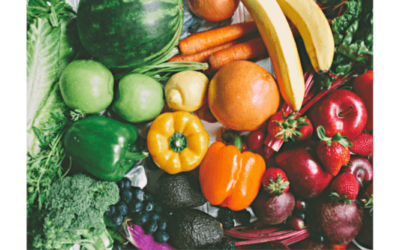
Anti-inflammatory eating patterns support the gut-skin axis. A varied, plant-diverse diet feeds a healthier gut microbiome, and a healthier gut microbiome is linked to lower systemic inflammation, which is the same inflammation driving a lot of these skin issues in the first place. Learn more about what to eat with IBD on our blog!
Over-restriction can backfire. This is a big one we see with clients. When people cut out entire food groups out of fear during a flare, they often end up with the exact nutrient gaps that make skin healing harder. This is why we can sound like such a broken record about a “low and slow, elimination-to-addition” mindset instead of long-term restriction. Your skin (and gut) needs more nutritional diversity to heal, especially during a flare.
When to See a Doctor About Skin Changes
Please don’t try to diagnose a new skin symptom off Google images. See a doctor promptly if you notice:
- A new ulcer, especially one that’s growing or not healing
- Fever alongside a skin change
- Anything spreading quickly
- Pain that’s disproportionate to how the area looks
- Any skin change that shows up alongside a gut flare
Skin manifestations are very treatable once identified correctly, but they’re also sometimes mistaken for a simple infection or bug bite, so IBD-informed care matters here. Discuss a dermatolgist referral with your GI if any of the above associated skin conditions come up for you.
The Bottom Line
IBD skin manifestations are a real, well-documented part of living with Crohn’s or ulcerative colitis. Some track closely with bowel diseases, some don’t, and nutrition can play a meaningful supporting role in either case. If your skin is trying to tell you something, it’s worth listening, and worth bringing to your care team.
FAQ
Is a skin rash a sign of IBD? It can be. Skin changes like erythema nodosum are among the most common extraintestinal manifestations of IBD, but not every rash is IBD-related. Your healthcare provider can help determine the cause.
What does an IBD flare look like on the skin? Often tender red bumps (erythema nodosum), painful ulcers (pyoderma gangrenosum), or mouth sores. Presentation varies by person and by which manifestation is involved.
Can diet help IBD-related skin issues? Diet won’t cure a dermatologic manifestation on its own, but supporting nutrient status and reducing systemic inflammation through a varied, anti-inflammatory eating pattern can support skin healing alongside medical treatment.
Do skin manifestations mean my IBD is getting worse? Not always. Some skin issues correlate with gut disease activity, while others (like pyoderma gangrenosum or medication-induced psoriasis) can occur independently. Any new skin symptom is worth discussing with your GI or dermatologist.









0 Comments