Many people with Crohn’s disease and ulcerative colitis (the main types of inflammatory bowel disease) tell us they planned to wait until their flare calmed down before working on nutrition. It makes sense. A flare is exhausting, eating can feel risky, and making changes can feel like too much.
But as IBD dietitians, we see it the other way around. A flare is often the time you need nutrition support most. Here are 3 reasons to start IBD nutrition in a flare instead of waiting.
1. Protect Yourself From Malnutrition and Low Intake
During a flare, inflammation is high, and your body’s needs go up with it. Calories, protein, fluids, and specific nutrients are needed in higher amounts. At the same time, many people eat less. If you eat something and feel awful afterward, it’s natural to eat less and less over time.
That combination is how malnutrition in IBD can develop. It affects many people with IBD at some point, and it can happen to anyone, whatever your body looks like (1).
Malnutrition also doesn’t always show up as weight loss. In a healthcare setting it’s usually defined as unintentional weight loss over a certain period, but we look at more than the scale. Ask yourself:
- Are you skipping or delaying meals to avoid symptoms?
- Are you losing weight without trying?
- Do you feel like you’re getting enough food?
- Are you dealing with fatigue?
Fatigue can point to higher inflammation, lower nutrient levels, decreased intake or all of the above! If any of these sound familiar, it’s worth getting support. Under-eating and low nutrient intake may also influence how well your body responds to treatment, and getting your flare under control is the top priority (2).
A dietitian with IBD experience can help you find ways to increase your intake with fewer symptoms.
Prefer to watch? Check out the Youtube video here!
2. Catch and Prevent Nutrient Deficiencies in IBD
Nutrient deficiencies in IBD can come from several sources:
- Inflammation. Ongoing inflammation raises your nutrient needs and can change how you absorb them. For example, active inflammation raises a hormone called hepcidin, which can block iron absorption.
- Lower intake. Eating less means getting fewer nutrients.
- Medications. Prednisone can reduce calcium absorption, which also ties in with vitamin D, and it can affect electrolytes. Methotrexate can lower folate.
- Where the disease is in your gut. Different parts of the gut absorb different nutrients. Crohn’s disease commonly affects the ileum, which is important for B vitamins (especially vitamin B12) and iron. People with ulcerative colitis or microscopic colitis can still have these same deficiencies.
Vitamin D is one of the most common nutrients to run low with an estimated 19-95% of people with IBD being depleted (3). It’s often checked once at the start and never followed up, even though levels can stay low despite treatment or supplements.
A dietitian can help you understand which nutrients to watch, what to ask your IBD team to test, and how often to recheck. Dietitians also work with you to understand potential trigger foods like eating spicy food as well as understanding what foods make up more of an inflammatory diet pattern.
3. Get Real IBD Symptom Relief With Help From Food
Many people, especially if newly diagnosed, think symptom relief means cutting out every food that causes symptoms. In our experience (both professionally and as patients), that’s not the best approach.
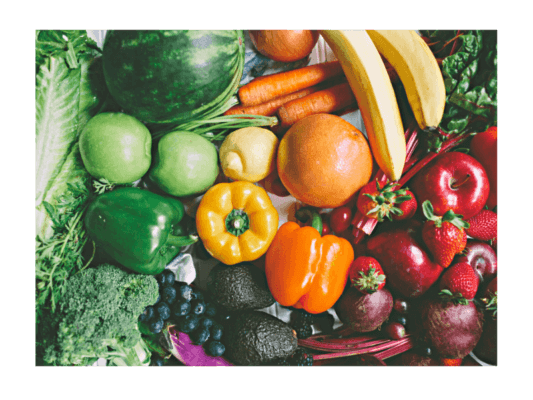
We focus on adding the foods and patterns (like the Mediterranean diet) that research links to supporting remission, and on modifying foods that trigger symptoms without causing harm, so you can keep them in your diet, as a low residue diet is not recommended long term. Leafy greens, broccoli, and beans are good examples. They’re gut friendly (meaning, they are supportive to the gut bacteria), but they may initially increase symptoms for some with IBD (that doesn’t mean this won’t change over time!). The goal is to adjust how you prepare and portion them so you get the benefits with fewer symptoms.
Don’t forget!
“Gut friendly” means a food that is beneficial for your gut. It doesn’t always mean you’ll be symptom free right away, and the progression looks different for everyone depending on your disease and your needs.
You may also hear “just go low fiber” in a flare. It’s often the first advice people get, but it isn’t always the best long term approach, and it isn’t automatically right during a flare. The type of fiber and how it’s prepared matter more than fiber alone, and some situations, such as strictures, call for a more tailored plan. Your dietitian and care team can help you decide.
Don’t Wait to Get the Support You Deserve
You don’t have to wait until you’re out of a flare to start nutrition support. Small steps can bring relief sooner, and there’s no reason to postpone the care you need.
If you’re in a flare right now and wondering where to start, we can help. Sign up for our NEW low cost support option, the Nutrition Collective, today!
Have you put off nutrition because of a flare? Tell us why in the comments. We’d love to hear it.
This article is for educational purposes and isn’t a substitute for personalized medical advice. Talk with your care team and an IBD dietitian about what’s right for you.










0 Comments