Curious about the treatments for Microscopic colitis? If you or someone you love has been navigating the world of inflammatory bowel disease (IBD), you already know how overwhelming it can feel.
IBD is not a single condition — it is an umbrella term that covers a range of chronic digestive disorders, each with its own unique characteristics, triggers, and treatment approaches. Understanding the differences between these conditions is one of the most empowering steps a patient can take on their journey toward better health.
IBD comes in different types, and each one affects the gastrointestinal tract in its own way. The most well-known forms include Crohn’s disease and ulcerative colitis, but there are others that often go unrecognized — including the condition we are focusing on today. Understanding each type of IBD can help patients and caregivers find the best, most targeted ways to manage symptoms and improve day-to-day life. When you know what you are dealing with, you can work alongside your healthcare team to make truly informed decisions.
Microscopic colitis is actually more common than many people realize. Research suggests it accounts for a significant proportion of chronic, non-bloody watery diarrhea cases, particularly in middle-aged and older adults. Despite this, it remains widely underdiagnosed, partly because it does not show up on standard imaging or colonoscopy — which is exactly why awareness matters so much. In this post, we are dedicating our full attention to the treatment for microscopic colitis: what it is, how it differs from other forms of IBD, what symptoms to watch for, and most importantly, what you can do about it.
Treatment for Microscopic Colitis
Before diving into treatment options, it is important to first understand what microscopic colitis actually is. This context is essential — not just for those newly diagnosed, but also for anyone who has been managing digestive symptoms without a clear answer. By exploring what this condition looks like at a biological level, patients can better differentiate it from other forms of IBD such as Crohn’s disease, ulcerative colitis, or even irritable bowel syndrome, which shares some overlapping symptoms but is a fundamentally different condition.
The diagnosis of microscopic colitis requires specific testing that goes beyond what a standard exam can reveal, which means many patients spend months or even years searching for answers before receiving proper care. Understanding the condition deeply — including its subtypes, how it presents, and what its triggers might be — can also help patients have more productive conversations with their doctors and take an active role in the management of microscopic colitis.
Whether you are newly diagnosed or have been living with this condition for some time, this guide aims to be a comprehensive, compassionate resource. We will walk through the science, the symptoms, and the full spectrum of treatment options available today.
What Is Microscopic Colitis Disease
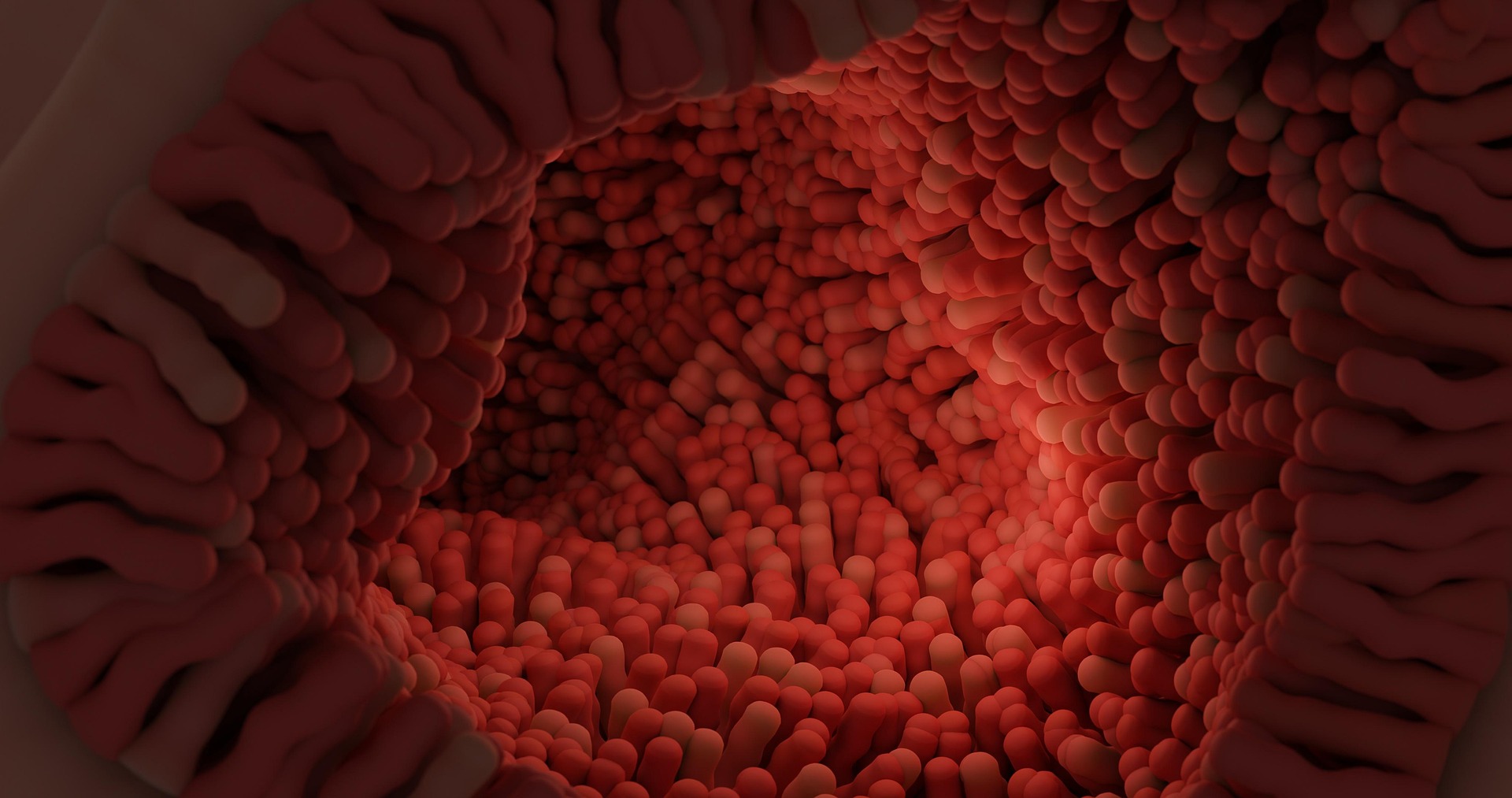
Microscopic colitis is a type of inflammatory bowel disease that causes chronic inflammation of the large intestine (colon). What makes it unique and often elusive is that the inflammation is not visible to the naked eye during a standard colonoscopy. The colon may appear completely normal during the procedure, yet under a microscope, the tissue samples tell a very different story. This is how the condition gets its name: it is literally only detectable at the microscopic level.
There are two main subtypes of microscopic colitis: collagenous colitis and lymphocytic colitis. In collagenous colitis, a thickened layer of collagen bands forms just beneath the lining of the colon, disrupting normal function. In lymphocytic colitis, there is an increased presence of lymphocytes (a type of white blood cell) in the colon lining, but without the thickened collagen. While the two subtypes of microscopic colitis share many characteristics and are treated similarly, they are distinct at the tissue level.
One of the key ways microscopic colitis differs from Crohn’s disease and ulcerative colitis is that it does not typically cause visible ulcers, bleeding, or structural damage to the bowel. It also differs from irritable bowel syndrome in that it involves true, measurable inflammation. Celiac disease is another condition that can sometimes be associated with or confused with microscopic colitis, since both can cause chronic diarrhea and both may be triggered by dietary factors.
The relentless nature of its primary symptom — frequent watery diarrhea can make it difficult to work, socialize, travel, or even leave the house. It is a condition that deserves to be taken seriously, diagnosed accurately, and treated thoughtfully.
What Are The Symptoms Of Microscopic Colitis
Patients with microscopic colitis often present with a cluster of symptoms including the following. It is worth noting that symptoms can range from mild and intermittent to severe and debilitating:
- Chronic, non-bloody watery diarrhea — often the most prominent and disruptive symptom, sometimes occurring 10 or more times per day
- Urgent bowel movements that are difficult to control
- Abdominal cramping and pain
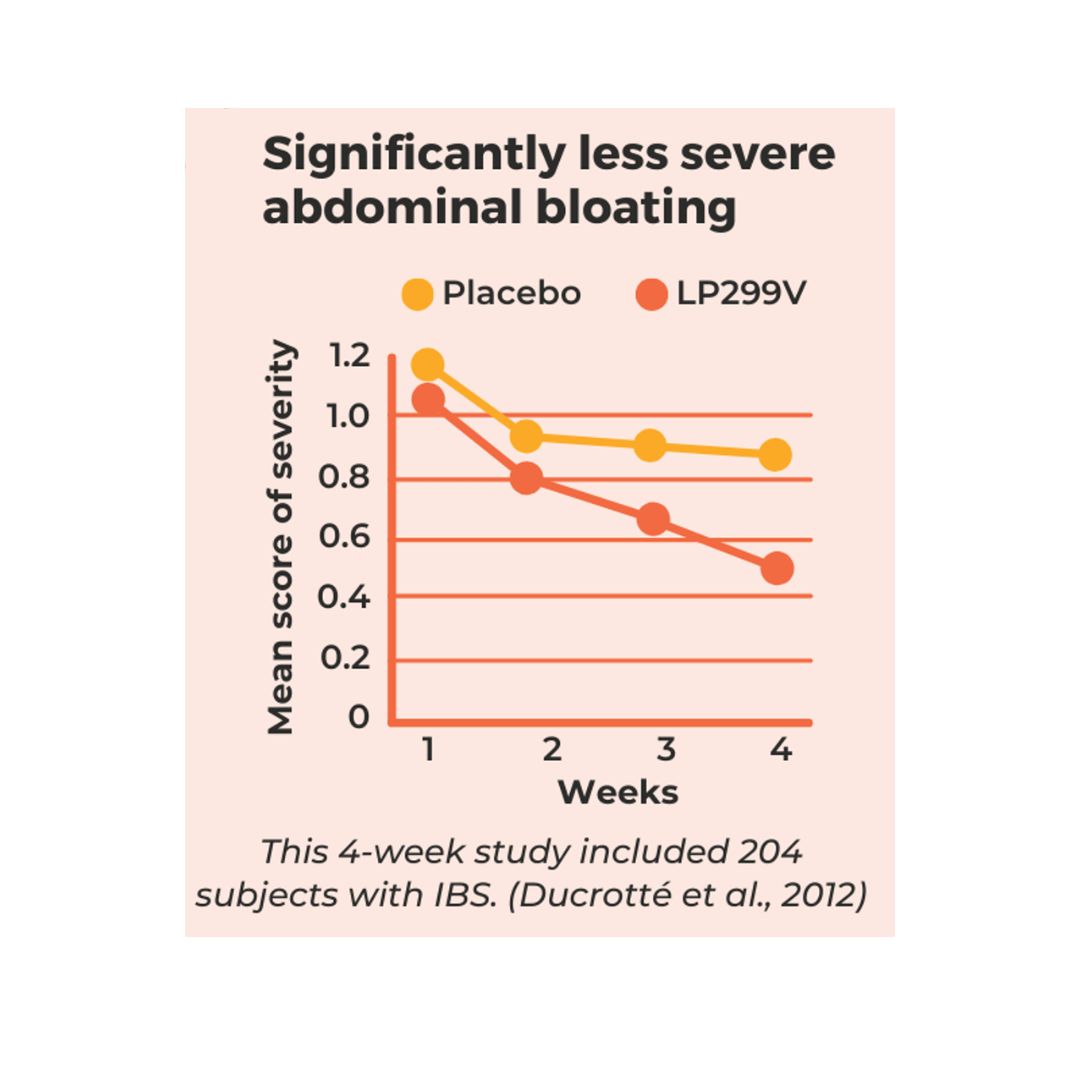
- Bloating and gas
- Nausea
- Fecal incontinence in more severe cases
- Unintentional weight loss due to poor nutrient absorption and reduced appetite
- Fatigue and general malaise
- Dehydration from chronic fluid loss
- Nighttime bowel movements that disrupt sleep
Because so many of these symptoms overlap with irritable bowel syndrome and other digestive disorders, patients are often misdiagnosed before a biopsy and proper testing can diagnose microscopic colitis accurately. A blood test may also be used to rule out other conditions, though it cannot confirm microscopic colitis on its own.
Can Microscopic Colitis Be Cured
This is one of the most common questions patients ask after receiving a diagnosis and it is completely understandable. While microscopic colitis does not currently have a definitive cure, it is highly manageable, and many patients achieve complete remission with the right treatment plan.
The goal of treatment is to reduce or eliminate symptoms, reduce inflammation, prevent relapse, and restore a patient’s quality of life. With appropriate care, many patients with microscopic colitis are able to return to normal or near-normal daily function.
Identifying and eliminating triggers including certain medications like nonsteroidal anti-inflammatory drugs and proton pump inhibitors can play a major role in achieving lasting relief.
While the journey is different for everyone, the outlook for microscopic colitis is generally positive. Unlike some other forms of IBD, it does not increase the risk of colorectal cancer and does not typically lead to bowel obstruction or structural damage.
That said, untreated or poorly managed colitis can significantly erode a person’s wellbeing, which is why early and accurate diagnosis followed by consistent treatment is so important.
However, there is hope. In our practice we see many microscopic colitis patients who have experienced significant relief when adding medical nutrition therapy for IBD with our guidace.
Here is what past patients have said…
“When we started I was having bowelmovements 15 or more times per day and I’m happy to report I’m having 3-4 and mostly solid now! I can’t thank you enough…”
“You’ve helped me more than I can explain… but pretty much a size zero was falling off of me! I was sick and frail and had a tiny list of safe foods and had tried all of the diets (including low fiber). Now I’m eating 60 different plants a week thanks to you!”
I know you came for the blog so I’ll keep it short. For more check our home page for actual testimonials or inquire for more!
How To Treat Microscopic Colitis
Treatment for microscopic colitis is typically stepwise, meaning doctors begin with the least invasive options and escalate if needed. Here is a breakdown of the main treatment approaches:
1. Identifying and Eliminating Trigger Medications
One of the first and most critical steps in managing microscopic colitis is reviewing a patient’s current medications. Nonsteroidal anti-inflammatory drugs (NSAIDs) such as ibuprofen and aspirin may be contraindicated. Proton pump inhibitors (PPIs), medications used to reduce stomach acid — have also been associated with triggering or worsening the condition.
Other medications, including certain antidepressants, statins, and beta-blockers, have been linked to microscopic colitis as well. Discontinuing the offending medication, under a doctor’s supervision, can sometimes lead to significant symptom improvement or even full remission in some cases.
2. Budesonide Therapy
Budesonide therapy is considered the gold-standard first-line treatment for moderate to severe microscopic colitis. Budesonide is a corticosteroid that works locally in the gut to reduce inflammation with minimal systemic side effects compared to traditional steroids like prednisone.
Clinical studies have consistently shown high rates of remission with budesonide, often within just a few weeks of starting treatment. Patients with microscopic colitis are typically started on a course of budesonide, which may be tapered gradually or used as maintenance therapy to prevent relapse. It is highly effective and generally well-tolerated, making it the most widely recommended pharmacological option.
3. Dietary Modifications
Diet plays a meaningful role in managing symptoms for many patients. While there is no universal “microscopic colitis diet,” working with a IBD dietitian to remove inflammatory triggers & work on a strategy for symptom reduction can help greatly.
Since bile acids have been implicated in some cases of diarrhea associated with this condition, avoiding high fat or high saturated fat and adding in things to bind to bile acids meals may also help reduce bile acid related diarrhea.
For a more detailed and personalized approach, exploring foods for microscopic colitis can be an excellent starting point. Working with a registered dietitian who specializes in IBD can help patients create a plan that reduces inflammation while still meeting their nutritional needs.
4. Bismuth Subsalicylate
Bismuth subsalicylate (the active ingredient in Pepto-Bismol) has shown some effectiveness in mild cases of microscopic colitis. It is typically used as a short-term option and is not as robustly studied as budesonide, but some patients report meaningful symptom relief.
It is generally well-tolerated and may be recommended as an initial treatment while other options are being explored, particularly for patients with mild symptoms.
5. Antidiarrheal Medications
Medications like loperamide (Imodium) can be used to manage the symptom of diarrhea on a day-to-day basis. While they do not treat the underlying inflammation, they may be used to provide meaningful relief and help patients with microscopic colitis maintain a more normal daily routine. These are typically used alongside other treatments rather than as a standalone approach.
We often recommend increasing soluble prebiotic fibers like back to balance plus to help with reducing diarrhea as a nutrition strategy.
6. Cholestyramine (Bile Acid Sequestrant)
In some patients, excess bile acids reaching the colon contribute to diarrhea. In these cases, bile acid sequestrants like cholestyramine may help by binding to bile acids in the intestine and preventing them from irritating the colon lining. This treatment is particularly useful for patients whose diarrhea persists despite other interventions and in whom bile acid malabsorption has been identified or suspected.
Some studies have also shown getting adequate calcium in the diet can help with binding to bile acids – options like tofu, fortified soy milk, canned salmon and tahini are some of our favorite sources of calcium. Increasing soluble prebiotic fibers also can help to bind bile acids and solidify the stool.
7. Immunosuppressive Therapy
For patients with refractory microscopic colitis — meaning those who do not respond to budesonide or experience frequent relapses — immunosuppressive medications such as azathioprine or 6-mercaptopurine may be considered. These medications suppress the overactive immune response that drives inflammation in the colon. They require careful monitoring but can be effective in maintaining long-term remission in difficult-to-treat cases.
Conclusion
Microscopic colitis is a treatable form of inflammatory bowel disease and one that deserves far more attention than it typically receives. In clinical practice we have seen microscopic colitis be very responsive to medical nutrition therapy with the right strategy from an IBD informed dietitian.
The two subtypes of microscopic colitis — collagenous colitis and lymphocytic colitis share many features but are distinct in their tissue presentation, and both can significantly disrupt a patient’s quality of life through symptoms including chronic watery diarrhea, abdominal pain, fatigue, and unintentional weight loss.
The path to diagnosis of microscopic colitis requires persistence. Because the colon appears normal on the surface, and because symptoms overlap with conditions like irritable bowel syndrome and celiac disease, many patients spend considerable time without answers.
A biopsy during colonoscopy remains the gold standard to diagnose microscopic colitis, and in some cases a blood test may help rule out other contributing conditions. If you or someone you care for has been experiencing chronic, unexplained digestive symptoms, it is worth pushing for a thorough evaluation that includes tissue sampling.
The good news is that the management of microscopic colitis has come a long way. Budesonide therapy remains the most effective first-line treatment and offers most patients real, measurable relief.
Addressing chronic diarrhea and the potential role of bile acids through dietary changes or bile acid sequestrants provides additional relief for many. And for patients with more persistent cases, immunosuppressive therapies offer a path to long-term remission.
Diet is also a powerful tool in your management toolkit. Making thoughtful, personalized food choices — and understanding which foods for microscopic colitis may help versus harm can meaningfully reduce flare frequency and severity.
For tailored dietary guidance, we encourage you to explore our resource on foods for microscopic colitis, where you will find practical, evidence-informed dietary strategies designed specifically for patients with this condition.
Above all, remember that you do not have to navigate this alone. The management of microscopic colitis is a collaborative journey between you and your healthcare team. Whether you are just beginning to seek a diagnosis or have been living with this condition for years, the right strategy customized to you makes a big difference. Let us know if you’d like our help!
Hope you liked our blog treatment for microscopic colitis – let us know in the comments what you think!












0 Comments