If you’ve got IBD, chances are colon cancer prevention has come up with your gastroenterologist. Maybe you are like us too in that you shy away from the topic because you know with IBD there is increased risk. The truth is, sometimes the stuff we don’t want to talk about is really worth exploring.
Colorectal cancer — cancer of the colon or rectum — is the second leading cause of cancer-related death in the United States. In 2024, the American Cancer Society estimated over 150,000 new cases and more than 52,000 deaths from the disease. Those numbers are sobering. But here is what is equally important: research consistently suggests that up to 60% of colorectal cancer deaths could be prevented through a combination of lifestyle changes and regular screening.
Those of us with inflammatory bowel diseases are at increased risk, so staying on top of colonoscopies is key to making sure IBD is in check and ensuring we are screening for colon cancer risk.
If you are reading this because a family member was recently diagnosed, because you are approaching a milestone birthday, or simply because you want to be proactive about your health — you are in the right place. This guide walks through every major evidence-based strategy for colon cancer prevention, from what you eat to when to book your first colonoscopy.
What this post covers: Screening guidelines, dietary changes, exercise habits, risk factors, supplements, warning signs, and a practical action plan — all grounded in current medical research.
What is colon cancer and who is most at risk?
Colon cancer does not appear overnight. It almost always develops slowly, over years, from small growths called polyps that form on the inner lining of the colon or rectum. Most polyps are harmless, but certain types can become cancerous over time if left undetected.
This slow progression is actually good news: it gives screening tools a meaningful window in which to find and remove polyps before they become cancer.
How colon cancer develops
The typical progression runs from normal colon tissue to a small adenoma, to a larger adenoma, to carcinoma (cancer). This sequence generally takes 10 to 15 years, which is one of the key reasons colonoscopy is so effective — it interrupts this process at the polyp stage, before cancer has a chance to form.
Non-modifiable risk factors
Some risk factors cannot be changed, but knowing them helps you understand your personal risk level:
- Age: Risk increases significantly after age 45. About 90% of colorectal cancers occur in people 45 or older.
- Family history: Having a first-degree relative (parent, sibling, child) with colorectal cancer roughly doubles your risk.
- Genetic syndromes: Lynch syndrome (hereditary nonpolyposis colorectal cancer) and familial adenomatous polyposis (FAP) dramatically increase lifetime risk and require specialized surveillance.
- Personal history: A prior diagnosis of polyps, colorectal cancer, or inflammatory bowel disease raises future risk.
- Race and ethnicity: Black Americans have the highest rates of colorectal cancer incidence and mortality of any racial or ethnic group in the United States.
Modifiable risk factors
The following risk factors are within your control and form the foundation of colon cancer prevention:
| Modifiable risk factor | Direction of risk | Estimated impact |
|---|---|---|
| Diet high in red/processed meat | Increases risk | Strong evidence (WHO Group 1 carcinogen for processed meat) |
| Low dietary fiber intake | Increases risk | Moderate evidence |
| Physical inactivity | Increases risk | Strong evidence — up to 24% higher risk |
| Low plant intake, high meat intake | Increases risk | Significant |
| Heavy alcohol consumption | Increases risk | Dose-dependent relationship |
| Smoking / tobacco use | Increases risk | Long-term use significantly raises risk |
| High-fiber, plant-rich diet | Decreases risk | Consistent evidence |
| Regular physical activity | Decreases risk | Up to 24% lower risk vs. sedentary |
| Regular screening | Decreases risk | Most powerful prevention tool available |
Colon cancer screening: the most powerful prevention tool
If there is one message to take away from this entire article, it is this: get your scheduled colonoscopies for colon cancer prevention and disease management.
Colon cancer screening is not just about early detection — for many screening methods, it is a direct act of prevention. A colonoscopy, for example, allows a gastroenterologist to find and remove precancerous polyps in a single procedure, physically eliminating potential cancer before it develops.
Why screening is prevention
Studies show that colonoscopy reduces colorectal cancer mortality by 50% to 75% in people who undergo regular screening. The stool-based tests described below can also detect cancer at early, highly treatable stages.
According to the American Cancer Society, the 5-year survival rate for colon cancer caught at a localized stage — before it has spread — is approximately 91%. When caught after it has spread to distant organs, that figure drops to 13%.
Key point: The power of screening is not just detecting cancer early — it is preventing cancer from forming at all. Colonoscopy removes the precancerous polyps that would otherwise become cancer over the next decade.
When to start screening
The American Cancer Society (ACS) and the U.S. Preventive Services Task Force (USPSTF) updated their guidelines in 2021 to recommend that average-risk adults begin colorectal cancer screening at age 45, down from the previous threshold of 50. This change was driven in part by the rising incidence of colorectal cancer in younger adults.
High-risk individuals — those with a family history, genetic syndrome, or inflammatory bowel disease — should typically begin screening earlier, sometimes as young as age 20 to 25 for certain genetic conditions, or at age 40 (or 10 years before the youngest affected family member’s diagnosis, whichever comes first) for those with a family history.
Types of colon cancer screening tests
Several effective screening options exist. The best test is the one you will actually do. Discuss the options below with your doctor to find the best fit for your health, schedule, and risk level.
| Test | How often | What it does | Requires bowel prep? |
|---|---|---|---|
| Colonoscopy | Every 10 years (if normal), every 1-2 years with IBD or 3-4 depending on GI input | Views entire colon; removes polyps during procedure | Yes |
| Stool DNA test (Cologuard) | Every 1–3 years | Detects abnormal DNA and blood in stool | No |
| FIT test (fecal immunochemical) | Every year | Detects hidden blood in stool | No |
| CT colonography | Every 5 years | Virtual colonoscopy via CT scan | Yes |
| Flexible sigmoidoscopy | Every 5 years | Views lower colon only | Partial |
Action step: If you are 45 or older and have not had a colonoscopy — or any other colorectal cancer screening — make an appointment with your primary care doctor this week to discuss your options.
Diet for colon cancer prevention: foods that protect and foods to limit
Diet is one of the most studied areas of colon cancer prevention, and the evidence is consistent: what you eat on a daily basis meaningfully influences your colorectal cancer risk over time.
No single food is a magic shield, and no single food will cause cancer on its own — but the overall pattern of your diet matters, and it is something you can change starting today.
Note: Some of the tips for colon cancer prevention can feel out of reach for those with IBD – depending on where you are at. This is one of the things we can help with when we work with people individually. I’ve added our RAINBOW® method tips below each to help make suggestions more IBD friendly.
Eat more: high-fiber foods
Dietary fiber — found in whole grains, legumes, fruits, and vegetables — is one of the most consistently protective dietary factors in colorectal cancer research. Fiber speeds the passage of waste through the colon, reducing the time that potentially harmful compounds stay in contact with the colon lining. It also feeds beneficial gut bacteria that produce short-chain fatty acids, which have anti-inflammatory and anti-cancer properties.
The ACS recommends adults consume 25 to 38 grams of fiber per day. Most Americans consume less than half that amount. Good sources include lentils, black beans, oats, barley, apples, pears, broccoli, and flaxseed.
➡️RAINBOW® method tips: Go “low and slow” with fiber. Every step counts. Generally starting with soluble fibers can help and it’s totally ok to start with mixable and dissolvable options like B2B as a bridge to further tolerance. Be sure to also get our free RAINBOW®challenge.
Eat more: cruciferous vegetables
Broccoli, Brussels sprouts, cauliflower, cabbage, and kale contain compounds called glucosinolates that break down into biologically active molecules with demonstrated anti-cancer properties in laboratory and epidemiological studies. Aim for at least two to three servings per week. Lightly steaming or roasting preserves more of these compounds than boiling.
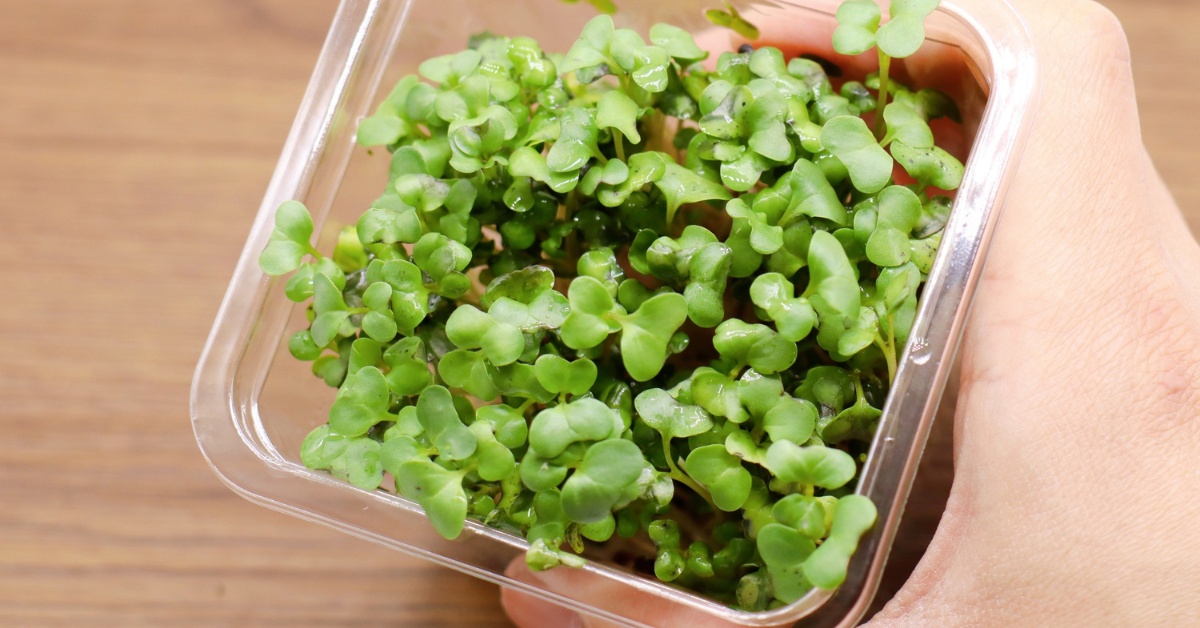
➡️RAINBOW® method tips: If you can’t tolerate the cruciferous family well, try adding broccoli sprouts or arugula sprouts to a meal. They are also surprisingly easy to make yourself!
Limit: red and processed meat
The World Health Organization classifies processed meat — bacon, hot dogs, sausage, deli meat, salami — as a Group 1 carcinogen, meaning there is sufficient evidence that it causes colorectal cancer in humans. Red meat (beef, pork, lamb) is classified as Group 2A: probably carcinogenic. The risk appears to increase with quantity consumed.
This does not mean you need to eliminate red meat entirely. The evidence supports limiting processed meat as much as possible and reducing red meat consumption to a few servings per week, with lean cuts and smaller portions.
➡️RAINBOW® method tips: There are so many work arounds with this category. Try out new options like Abbots or plant boss – plant based meats with simple ingredients.
Calcium
Multiple studies have found an association between higher calcium intake — and a modest reduction in colorectal cancer risk. The proposed mechanism is that calcium binds to bile acids and fatty acids in the colon, reducing their irritating effect on the colon lining. Aim for the recommended daily allowance of calcium (1,000 mg for most adults, 1,200 mg for women over 50 and men over 70).
➡️RAINBOW® method tips: Make sure to also test vitamin D levels, 30-40% of those with IBD get low which can impact calcium absorption. Also, if on prednisone or another medication that lowers calcium, consider supplementing with recommendations from your dietitian.
Non-traditional sources:
- Tofu – 500 mg per ¾ cup serving
- Soy Milk – 300 mg per cup
- Salmon or Sardines – 200 mg per 2 ounces
Alcohol and colon cancer risk
Even moderate alcohol consumption is associated with an increased risk of colorectal cancer. The relationship is dose-dependent. The more alcohol consumed, the higher the risk, but there does not appear to be a completely safe threshold.
Alcohol is metabolized into acetaldehyde, a known carcinogen that can damage colon cells. The ACS recommends limiting alcohol to no more than one drink per day for women and two for men, and notes that less is better from a cancer prevention standpoint.
➡️RAINBOW® method tips: It’s important to note that alcohol also can impact risk of IBD flare. There are many great alternatives out there like sparkling hops for those that like beer.
Dietary guidance at a glance
| Eat more of these | Limit or avoid these |
|---|---|
| Whole grains (oats, brown rice, barley) | Processed meats (bacon, hot dogs, deli meats) |
| Legumes (lentils, chickpeas, black beans) | Red meat in large or frequent quantities |
| Cruciferous vegetables (broccoli, kale, cabbage) | Alcohol (especially more than 1–2 drinks/day) |
| Fruits high in fiber (apples, pears, berries) | Ultra-processed foods |
| Dairy or calcium-rich foods | Fried foods and foods high in saturated fat |
| Nuts and seeds | Charred or heavily smoked meats |
Exercise for colon cancer prevention
Physical activity is one of the most reliably protective lifestyle factors in colorectal cancer prevention. A large body of research shows that physically active people have a 20% to 24% lower risk of developing colon cancer compared with sedentary individuals — an effect that holds regardless of body weight.
How physical activity reduces colon cancer risk
Exercise reduces colorectal cancer risk through several mechanisms: it speeds transit time through the colon (reducing the duration of contact between carcinogens and colon tissue), improves insulin sensitivity, lowers levels of inflammatory markers like C-reactive protein and interleukin-6, and reduces levels of circulating estrogen — all of which are implicated in colorectal cancer development.
How much exercise is enough?
The ACS recommends adults aim for at least 150 to 300 minutes of moderate-intensity activity (such as brisk walking, cycling, or swimming) per week, or 75 to 150 minutes of vigorous activity (such as running or aerobics). Research suggests that even smaller amounts are beneficial — 30 minutes of brisk walking most days of the week is a meaningful start if you are currently sedentary.
Reducing sedentary time matters too. Prolonged sitting — separate from whether you exercise regularly — is associated with higher colorectal cancer risk. Breaking up long periods of sitting with short movement breaks has measurable metabolic benefits.
Associations with increased risk
There are associations with increased risk of colon cancer when it comes to those that do ultra long distances such as ultramarathoners. This may have to do with also improper fueling and hydration which can increase risk of changes to the gut. There is still more to know in this area but if you are interested, we do discuss this on our YouTube channel. Christa, our in house IBD & Sports dietitian shared her insights here.
Simple start: If you are currently inactive, begin with a 20-minute walk three days per week. Evidence shows that gradual, sustainable increases in activity are more effective long-term than dramatic short-term changes.
Smoking, alcohol, and colon cancer: what the research shows
Two of the most common lifestyle factors — smoking and alcohol use — are both linked to increased colorectal cancer risk.
Smoking and colorectal cancer
Long-term cigarette smoking is associated with a significantly increased risk of colorectal adenomas (precancerous polyps) and colorectal cancer. The risk appears to increase with the number of cigarettes smoked per day and the number of years of smoking. Research suggests that former smokers continue to have elevated risk for 20 or more years after quitting, though the risk decreases over time.
Quitting smoking at any age reduces colorectal cancer risk and delivers immediate and long-term health benefits. If you are looking for support, the CDC’s SmokeFreeTXT program and the Quitline (1-800-QUIT-NOW) are free, evidence-based resources.
Alcohol and colorectal cancer risk
As noted in the diet section, alcohol consumption is associated with a dose-dependent increase in colorectal cancer risk. Alcohol is metabolized to acetaldehyde — a substance classified as a Group 1 carcinogen — which directly damages the DNA of colon cells. Alcohol also interferes with folate metabolism, which plays a role in DNA repair.
The research does not support a completely safe threshold for alcohol and colorectal cancer risk. If you currently drink, the most protective change is reducing consumption. Cutting alcohol out entirely offers the greatest risk reduction, but any reduction is meaningful.
Aspirin and supplements: do they help prevent colon cancer?
In recent years, a number of supplements and medications have been studied for their potential role in colon cancer prevention. Here is what the current evidence shows — and where the evidence is still limited.
Low-dose aspirin
Multiple large studies have found that regular low-dose aspirin use is associated with a reduced risk of colorectal cancer and colorectal adenomas.
The U.S. Preventive Services Task Force (USPSTF) has noted that low-dose aspirin may be appropriate for some adults at higher colorectal cancer risk — but it is not recommended as a general preventive measure for everyone, because it carries a risk of gastrointestinal bleeding and stroke that outweighs the benefit in lower-risk populations.
Important: Do not start taking aspirin for cancer prevention without first consulting your doctor. The potential benefits must be weighed against individual bleeding risk and other health factors.
Vitamin D and calcium
Observational studies have found associations between higher blood levels of vitamin D and a lower risk of colorectal cancer. The mechanism likely involves vitamin D’s role in regulating cell growth and apoptosis (programmed cell death).
Maintaining adequate vitamin D levels through diet, sun exposure, and supplementation where deficiency exists is reasonable — but vitamin D supplements are not a substitute for screening or lifestyle change.
Calcium’s potential protective effect is described in the diet section above. Dietary calcium from dairy and fortified foods is preferable to high-dose supplements, which carry their own risks at excessive levels.
Folate and other micronutrients
Folate (found naturally in leafy greens, legumes, and fortified grains) plays a role in DNA synthesis and repair, and low folate status has been associated with increased colorectal cancer risk in some studies.
Magnesium has also shown a modest inverse association with colorectal cancer risk in some epidemiological data.
Bottom line on supplements: A diet rich in vegetables, whole grains, and legumes provides the micronutrients most associated with colorectal cancer protection. Supplementation may have a role in specific deficiencies, but should always be discussed with your dietitian and gastroenterology team — and never used as a replacement for screening.
Colon cancer prevention for high-risk individuals
Prevention looks different depending on your personal risk profile. If any of the following categories apply to you, standard screening guidelines may not be sufficient — and earlier, more frequent surveillance can make a critical difference.
Family history of colon cancer
If you have one first-degree relative diagnosed with colorectal cancer or advanced polyps before age 60, or two first-degree relatives at any age, current guidelines recommend beginning colonoscopy screening at age 40 — or 10 years before the youngest affected family member’s diagnosis, whichever comes first — and repeating every five years rather than every ten.
Genetic syndromes: Lynch syndrome and FAP
Lynch syndrome is the most common hereditary colorectal cancer syndrome, accounting for approximately 3% of all colorectal cancer cases. People with Lynch syndrome have a lifetime colorectal cancer risk of 40% to 80% and should begin colonoscopy at age 20 to 25, repeated every one to two years.
Genetic counseling is strongly recommended for individuals who suspect they may have Lynch syndrome based on family history.
Familial adenomatous polyposis (FAP) causes hundreds to thousands of polyps to develop throughout the colon, with near-certain progression to cancer if untreated. People with FAP typically require colonoscopy beginning in the early teenage years and often ultimately require surgical intervention.
Inflammatory bowel disease (IBD)
People with long-standing Crohn’s disease or ulcerative colitis involving the colon have a substantially elevated risk of colorectal cancer, particularly after 8 to 10 years of disease.
Gastroenterologists typically recommend colonoscopy surveillance every one to two years in this population, with more frequent biopsies to look for dysplasia (abnormal cellular changes that precede cancer).
Personalized prevention: If you fall into any of the high-risk categories above, the most important step is an appointment with a gastroenterologist to establish a personalized screening and surveillance plan. General guidelines are a starting point — your plan may need to be more aggressive.
Early warning signs of colon cancer to watch for
One reason colorectal cancer is so dangerous is that early-stage disease often produces no symptoms at all — which is exactly why screening matters so much.
However, when symptoms do appear, recognizing them and acting on them promptly can be lifesaving. The following warrant a conversation with your doctor, especially if they persist for more than a few days or are new for you.
- Changes in bowel habits: Diarrhea, constipation, or a change in the consistency of your stool that lasts more than a few days.
- Rectal bleeding or blood in stool: Bright red blood in the toilet or on toilet paper, or dark/tarry stools (which can indicate bleeding higher in the colon).
- Persistent abdominal discomfort: Cramping, gas, or pain that does not resolve in the way it normally would.
- Feeling of incomplete emptying: A persistent sensation that the bowel has not fully emptied after a bowel movement.
- Unexplained weight loss: Losing weight without trying, accompanied by fatigue that is not explained by other causes.
- Unexplained fatigue or weakness: Especially if accompanied by anemia (low red blood cell count), which can result from slow internal bleeding.
Important context: Many of these symptoms have common benign causes — hemorrhoids, irritable bowel syndrome, dietary changes. Their presence does not mean cancer. But they do mean you should see a doctor, especially if they are persistent, new, or worsening. Do not dismiss them and do not wait.
Frequently asked questions about colon cancer prevention
Can colon cancer be completely prevented?
Not with complete certainty — some risk is inherent, particularly for people with genetic syndromes or strong family histories.
However, research suggests that the majority of colorectal cancer cases are preventable through the combination of regular screening, a healthy diet, physical activity, maintaining a healthy weight, limiting alcohol, and not smoking. Prevention significantly shifts the odds in your favor.
At what age should I start colon cancer screening?
For average-risk adults, the ACS and USPSTF now recommend starting at age 45. If you have a family history of colorectal cancer or polyps, a personal history of IBD, or a known genetic syndrome like Lynch syndrome, you should start earlier — sometimes as young as 20 to 25. Speak with your doctor to determine the right starting age and screening interval for your specific situation.
Is colon cancer hereditary?
Most colorectal cancer cases (approximately 65 to 70%) are sporadic, meaning they occur without a clear inherited cause. About 20 to 30% appear to be familial — a pattern of multiple affected relatives without a clearly identified gene mutation.
Only 5 to 10% are definitively linked to hereditary syndromes like Lynch syndrome or FAP. Even without a hereditary syndrome, having a first-degree relative with colorectal cancer meaningfully increases your personal risk.
What foods should I avoid to reduce colon cancer risk?
The strongest evidence supports limiting or avoiding processed meats (bacon, hot dogs, salami, deli meats), reducing red meat consumption, and limiting alcohol. Ultra-processed foods high in refined carbohydrates and saturated fat are also associated with elevated risk.
At the same time, increasing dietary fiber through whole grains, legumes, and vegetables is one of the most impactful positive dietary changes you can make.
Does fiber really reduce colon cancer risk?
Yes — this is one of the most consistently supported dietary associations in colorectal cancer research. High dietary fiber intake is associated with a 10 to 20% reduction in colorectal cancer risk in large meta-analyses.
The protective mechanisms include faster colon transit time (reducing carcinogen exposure), production of protective short-chain fatty acids by gut bacteria, and dilution of bile acids in the colon. Whole food sources of fiber provide additional phytochemicals that appear to enhance this effect beyond fiber alone.
Fiber is also important for supporting the microbiome and reducing risk of flare ups in IBD. In fact, inclusion of fiber is associated with a 40% reduction in risk of flare-ups.
Can young people get colon cancer?
Yes, and this is an important and growing concern. While colorectal cancer remains most common in adults over 45, incidence rates in adults under 50 have been rising steadily for the past three decades.
Young-onset colorectal cancer — diagnosed before age 50 — now accounts for approximately 12% of all new colorectal cancer diagnoses in the United States. Experts do not yet fully understand the reasons for this trend, though diet, obesity, antibiotic use affecting the gut microbiome, and sedentary lifestyles are suspected contributors.
If you are under 45 and experiencing persistent symptoms such as rectal bleeding, unexplained changes in bowel habits, or unintentional weight loss, do not assume you are too young — see a doctor.
Your colon cancer prevention action plan
Prevention is not a single dramatic decision — it is a collection of small, consistent choices made over years. Here is a practical starting checklist you can act on this week and this month:
| Action | When to do it | Why it matters |
|---|---|---|
| Schedule a colorectal cancer screening | If 45+, or earlier if high-risk | Most powerful single prevention step available |
| Increase daily fiber intake | Start this week | 10–20% risk reduction with high-fiber diet |
| Add 3 servings of cruciferous vegetables per week | Start this week | Anti-cancer compounds with strong research support |
| Reduce or eliminate processed meat | Start this week | WHO Group 1 carcinogen — meaningful risk reduction |
| Begin or increase physical activity | This month | 20–24% lower colon cancer risk in active adults |
| Limit alcohol | Ongoing | Dose-dependent risk — less is always better |
| Know your family history | This month | May change your screening start date and frequency |
| Discuss aspirin or supplements with your doctor | Next appointment | Individual benefit depends on your full health picture |
| Learn the warning signs | Now | Early presentation to a doctor = better outcomes |
| Share this information with family members | This week | First-degree relatives share your elevated risk |
Most important step: Book your colonoscopy or talk to your primary care doctor about which screening option is right for you. It takes one phone call. For many people, it is one of the most consequential health decisions they will make.
Sources & further reading
All statistics and clinical recommendations in this article are drawn from the following sources:
- American Cancer Society — cancer.org/cancer/types/colon-rectal-cancer
- U.S. Preventive Services Task Force (USPSTF) — uspreventiveservicestaskforce.org
- National Cancer Institute (NCI) — cancer.gov
- Centers for Disease Control and Prevention (CDC) — cdc.gov/cancer/colorectal
- World Health Organization — IARC Monographs on carcinogens
- Mayo Clinic — mayoclinic.org/diseases-conditions/colon-cancer
References:
Van der Meer R, Welberg JW, Kuipers F, Kleibeuker JH, Mulder NH, Termont DS, Vonk RJ, De Vries HT, De Vries EG. Effects of supplemental dietary calcium on the intestinal association of calcium, phosphate, and bile acids. Gastroenterology. 1990 Dec;99(6):1653-9. doi: 10.1016/0016-5085(90)90471-c. PMID: 2121581.
On Yee Annie Chan, Ling Tao, Guodong Chen, Lingyan Kong. The association of dietary fiber intake with colorectal cancer and related risks: A literature review of recent research, Journal of Agriculture and Food Research, Volume 21, 2025, 101999, ISSN 2666-1543. https://doi.org/10.1016/j.jafr.2025.101999.
Keywords: colon cancer prevention, colorectal cancer prevention, how to prevent colon cancer, colon cancer screening, diet for colon cancer prevention, colon cancer risk factors, colon cancer symptoms, colonoscopy guidelines, fiber colon cancer, exercise colon cancer prevention











0 Comments